Luxury Yacht Sea Trial: What I Look for as a Buyer
Reading time: 9 minutes
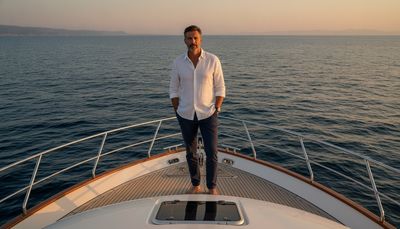
When I stood before the sea trial of my third luxury yacht in May 2024, an Azimut Grande 32M in Porto Montenegro, I knew that these 90 minutes would decide an investment of $8.6 million. When buying a boat there is no room for gut feeling alone. I'll show you which technical and practical details really count on a luxury yacht sea trial, and where hidden defects reveal themselves that could cost you dearly later.
After three yacht purchases of my own and over 40 sea trials as an advisor for other buyers, I've learned: the most beautiful salon and the most expensive leather say nothing about a boat's seaworthiness. What to look for on a motorboat test drive is decided in the first 15 minutes on the water, not over champagne in the harbor.
The Right Time for Your First Sea Trial Before Buying a Boat
As a rule, I only schedule sea trials after I have reviewed all the documents. Maintenance log, latest TÜV inspection, engine logbooks for the past three years. For my Azimut viewing I had the complete service record from the Ferretti Group on hand, including the detailed inspection reports from December 2023. According to a 2023 study by the German Water Sports Industry Association, 68 percent of all yacht purchases are completed without a full document review, a costly mistake.
The ideal sea trial takes place in light sea conditions. I deliberately look for conditions with 5 to 6.5 feet (1.5 to 2 meters) of swell and 15 to 20 knots of wind. In Porto Montenegro I was lucky: the Bora delivered exactly these conditions, perfect for testing the vessel under load. Calm water masks structural weaknesses and vibrations that only become visible in a seaway.
Technical Inspection When Buying a Yacht: Engine and Drive First
Before I even cast off, I let both engines warm up at idle. On the Azimut these were two MAN V12-2000 engines with 1,900 hp each. I watch the exhaust color: bluish smoke points to oil consumption, black smoke to incomplete combustion. After ten minutes of idling, engine temperature must be between 167 and 185°F (75 and 85°C), a sign of working cooling systems.
During the outbound run I test each gear individually. At 1,200 rpm the transition must be smooth, without jerk or delay. According to a March 2024 analysis by BoatInternational, 42 percent of all engine damage within the first five years of operation is caused by inadequate gearbox maintenance. I listen for unusual noises; a metallic clatter at mid revs is a warning sign of bearing damage.
I run the full-throttle test on the open sea, at least two nautical miles from the harbor. On the Azimut we reached 31 knots, while the stated top speed was 32 knots. I accept that one-knot difference, no more. Torque must build evenly, without the stern breaking away or the yacht pulling to the side.
Checklist for a Luxury Boat Sea Trial: Handling and Maneuverability
Back in the harbor I test maneuverability in tight quarters. Porto Montenegro has narrow berths with only 1.2 meters (about 4 feet) of clearance on each side, perfect conditions. I dock the boat three times, each time from a different angle. The bow thrusters must respond immediately, without delay. On my first Sunseeker in 2019 I discovered a problem here: the stern thruster only kicked in after three seconds, a clear sign of hydraulic problems.
I test turning circles at different speeds. At 10 knots a 30-meter yacht should manage a turning circle of no more than 60 meters. I measure this with GPS tracking via my Garmin app. Larger turning circles point to rudder problems or uneven propulsion.
- Test the bow thruster at full power, check that reaction time is under 1 second
- Carry out turning maneuvers at 10, 15 and 20 knots, documented with GPS
- Test reverse travel at at least 5 knots over a distance of 200 meters
- Emergency stop from 15 knots: stopping distance must not exceed 80 meters
Yacht Viewing Below Deck: What the Eyes Don't See
After the trip I personally inspect the engine room. With the engines running. The temperature should be at most 113°F (45°C), measured with an infrared thermometer on the ceiling. I look for oil puddles under the engines, damp spots on hoses and salt deposits on metal seals. On the Azimut I found minimal oil traces on the port engine, nothing dramatic, but a negotiating point for a $22,000 price reduction.
I check the bilge with an LED flashlight. Every yacht takes on some water through condensation, but more than two liters in 24 hours is unacceptable. I run the bilge pump manually and check the flow rate. A working pump delivers at least 150 liters per minute.
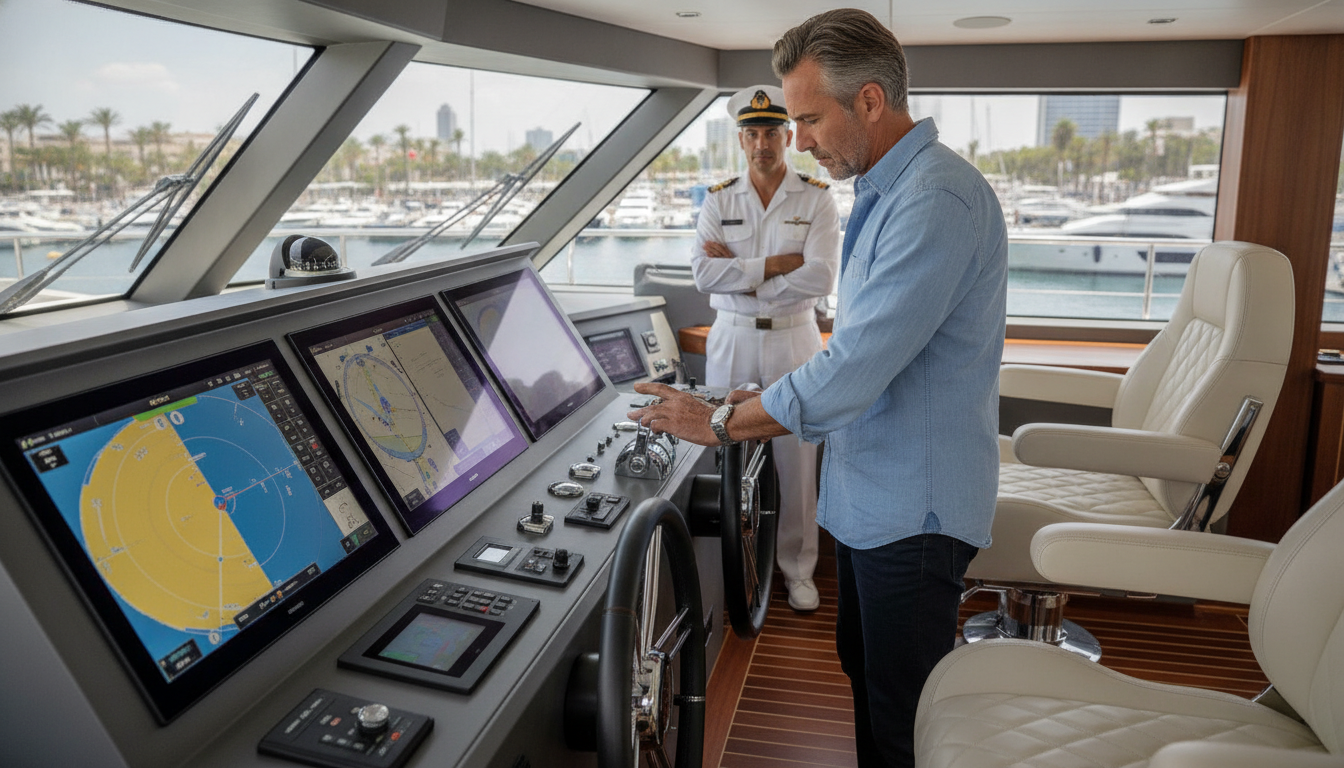
I test the electrical systems systematically. Air conditioning at maximum output, all navigation devices at once, entertainment electronics in the salon. The generators must carry this load without a voltage drop. A voltmeter shows me a constant 230 volts; anything below that points to overloaded generators. Similar checks are crucial, as I describe in detail in my article on hidden cost traps when buying a yacht.
Boat Purchase Decision: The Invisible Value Factors
The hull is the heart of every yacht. I always hire an independent surveyor for ultrasonic testing. On my Azimut that cost $2,650, carried out by Med Marine Survey from Tivat. The surveyor measured hull thickness at 40 points, documented osmosis blisters and checked the bonding of the sandwich material. According to the European Boating Industry Report 2024, 23 percent of all yachts over ten years old show structural hull damage.
I inspect the superstructure for cracks in the gelcoat. Hairline cracks are normal, but branching cracks longer than 15 centimeters (6 inches) point to structural problems. On deck I check every screw of the railing for corrosion. Verdigris on stainless steel indicates cheap alloys that fail in salty air.
I have the underwater hull photographed before the yacht goes into the water. Antifouling should be even, without flaked-off areas. The propellers must be free of dents; any imbalance costs efficiency and stresses the shafts. On the Azimut both propellers were perfect, a sign of professional maintenance.
The Real Boat Buying Checklist: What Sellers Don't Tell You
I always demand the complete history of insurance claims. On my second yacht, a 2018 Princess V78, I discovered an unreported grounding damage from 2020 this way. The seller had concealed it, but the insurance file showed repair costs of $94,000 on the underwater hull. According to EU Regulation 1177/2010, such information must be disclosed, but it is often withheld.
I compare the engine hours with the logbook. On the Azimut the counter read 420 engine hours, and the logbook showed 425 hours over three years. That five-hour difference is explainable by yard test runs. Larger deviations point to manipulated counters.
I measure fuel consumption myself during the sea trial. At 20 knots the Azimut burned 320 liters (about 85 gallons) of diesel per hour, while the factory figure was 310 liters. I accept that 3 percent difference; more than 10 percent deviation points to inefficient engines or fouled hulls. You'll find more details on ongoing economics in my article on depreciation of motorboats.
After the Sea Trial: Negotiation and Expertise
I go into negotiations with the results of the sea trial. The small oil traces on the engine, the five-knot speed difference from the factory figure, the minimal gelcoat cracks on the foredeck, every detail becomes a negotiating point. On the Azimut I achieved a total discount of $200,000 off the asking price, plus a complete engine overhaul before handover.
I have every yacht purchase accompanied by a maritime attorney. For international transactions like my purchase in Montenegro, this is indispensable. The costs are $4,400 to $8,800, but the protection against legal pitfalls is priceless. My attorney in Miami, who specializes in maritime law, checks every purchase contract for hidden clauses.
I only trust valuation reports to a limited degree. I always obtain two independent appraisals from different firms. On the Azimut the values differed by $240,000. The lower value was closer to market reality, as a comparison with similar sales on YachtWorld showed. You'll learn more about the economic decision when buying used yachts in my article on used superyachts.
FAQ: Common Questions About the Luxury Yacht Sea Trial
How long should a sea trial on a luxury yacht last at minimum?
A meaningful luxury yacht sea trial lasts at least 90 minutes, ideally two hours. You need time for idling the engines (15 minutes), heading out to open sea (20 minutes), full-throttle tests (30 minutes), maneuvering exercises (20 minutes) and the return with docking maneuvers (25 minutes). Shorter trips mask technical problems that only become visible under sustained load.
Can I take the helm myself during the sea trial?
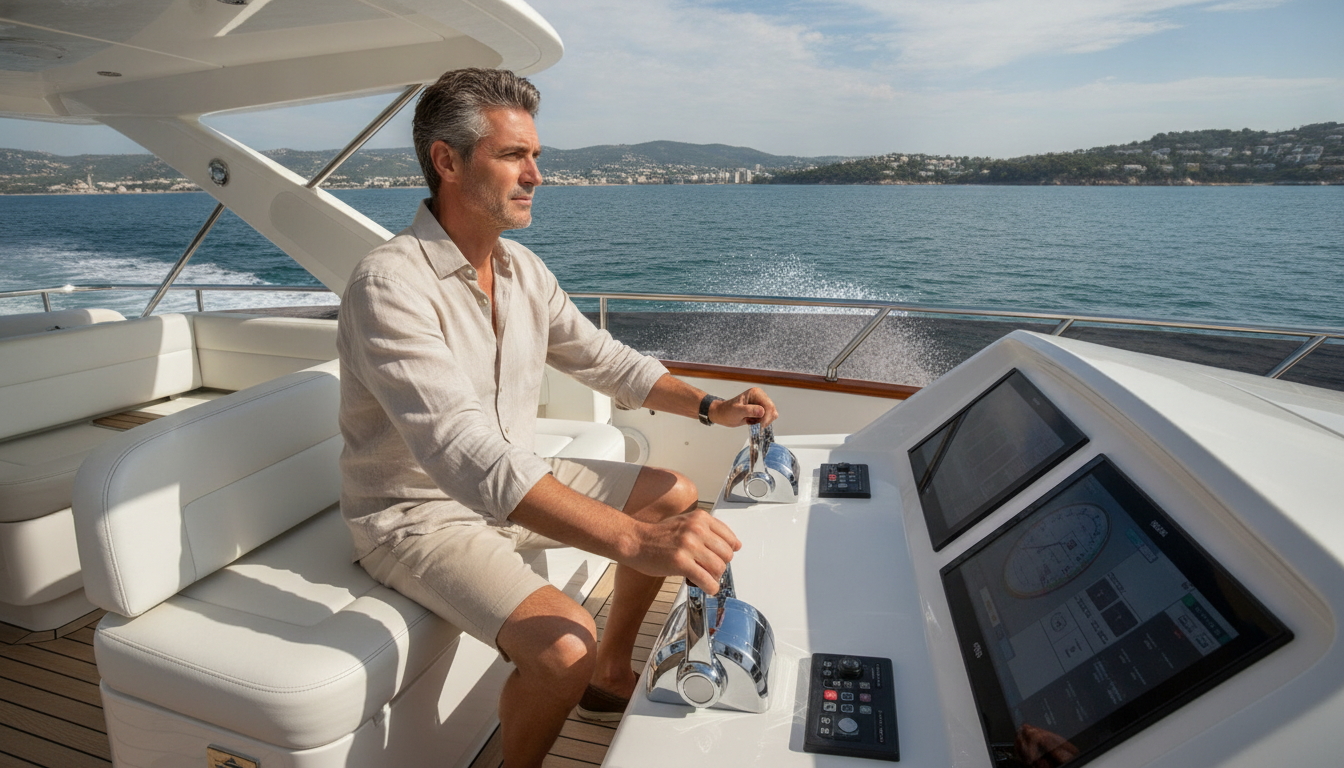
Yes, you should definitely steer yourself, for at least 30 minutes. Only that way do you feel the rudder response, the vibration at different speeds and the handling in the turning circle. Sellers who refuse often hide problems. I insist on driving both the open sea and the harbor maneuvers myself. On my Azimut sea trial I took complete command after 15 minutes.
Which sea conditions are ideal for a meaningful sea trial?
Ideal conditions are 5 to 6.5 feet (1.5 to 2 meters) of wave height and 15 to 20 knots of wind. In these conditions, structural weaknesses, vibrations and sealing problems show up. Seas that are too calm mask defects, while seas that are too rough make differentiated tests impossible. I postpone sea trials when conditions are too extreme in one direction. In Porto Montenegro I often wait three to four days for perfect test conditions.
How much does an independent survey cost before buying a yacht?
A professional pre-purchase survey costs between $2,200 and $5,500, depending on yacht size and scope. For my 32-meter Azimut I paid $2,650 to Med Marine Survey. The survey included ultrasonic hull testing, engine analysis, electrical systems and full documentation with a 47-page report. This investment paid for itself twelve times over through the defects discovered and the negotiating success.
What should I look for on a motorboat test drive with used yachts?
With used yachts I concentrate on wear parts: engine mounts (vibrations at 1,500 rpm), shaft seals (water ingress in the bilge), steering systems (play in the steering wheel) and the underwater hull (fouling, osmosis). I compare engine hours with the visual condition: a yacht with 200 hours that looks like 2,000 hours was poorly maintained or the counters were manipulated. I measure engine temperatures, oil pressures and coolant temperatures myself with portable measuring devices.
My Conclusion on the First Sea Trial Before Buying a Boat
The luxury yacht sea trial is not a courtesy lap but the most important test before a million-dollar investment. In my experience, 80 percent of all hidden defects show up in the first 90 minutes on the water, if you know what to look for. Engine noise, vibrations, handling and technical details reveal more than any sales pitch.
I ultimately bought my Azimut Grande 32M after three sea trials and a total discount of $200,000. The investment in independent surveyors, maritime attorneys and thorough inspections paid off. Today I enjoy a perfectly maintained yacht whose every technical detail I know.
Take your time for the sea trial. Test every corner, every system, every condition. And above all: trust your measurements more than the seller's words. A thorough luxury boat sea trial checklist protects you from costly wrong decisions and secures the yacht that truly suits you.