Luxury Yacht Fuel Consumption | Is Buying Worth It?
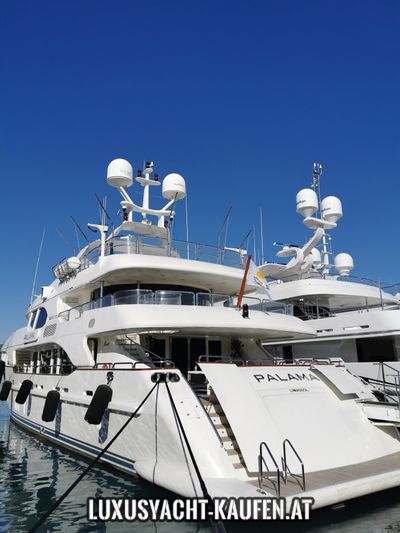
Depending on your financial situation, you will or won't think about luxury yacht fuel consumption. With larger boats it matters less, since in most cases the owners are well off and the cost of fuel is less of a worry. Still, it is certainly interesting to find out how high the consumption actually is and how it can be reduced.
How High Luxury Yacht Fuel Consumption Really Is
Fuel consumption depends entirely on the type of yacht. For a standard yacht, you can assume a range of 500 to 1,500 liters (roughly 130 to 400 gallons) of fuel. For sailing yachts or the really big luxury boats, things can look quite different. Around 100 liters (about 26 gallons) can be used per hour, which you should take as a kind of rule of thumb. With a sailing yacht, however, the range is not determined by fuel; instead, the top speed is based on the hull speed. It is therefore best to get informed about this in good time.

Tips for Reducing Luxury Yacht Fuel Consumption
If you can follow these points, you will certainly save quite a bit:
- buy a smaller yacht (uses less because of its lower weight)
- fit outboard motors (they use less fuel)
- sail in good weather (no needless braking as in a storm)
- save weight and throw unnecessary ballast overboard
- pay attention to aerodynamics when buying ( wind can slow you down considerably)
- avoid over-powering the boat
- larger fuel purchase volumes = bulk discount possible
These are all points you could take to heart in order to afford a yacht even as an average earner. Buying is one thing, and the ongoing financing of everything used is another. Finding out the luxury yacht fuel consumption on the one hand and reducing it on the other are the key points here.

Cutting Fuel Costs - How to Help the Environment at the Same Time
When it comes to luxury yacht fuel consumption, people usually only think of the cost of gasoline or diesel. Even if you can afford it more easily, high consumption is by no means good for the environment. Greenhouse gases, CO2 emissions and diesel particulates are just a few examples. There is far more that should really be considered. It is also advisable never to let the tank leak or simply pour it into the sea, as this destroys the entire underwater world. It isn't good for the fish and other marine life either. The bottom line is that everyone, whatever their income, can save fuel. Costs can be saved simply by choosing your home port, which is why you shouldn't just pick the cheapest one when it comes to fuel. In Porto Montenegro, for example, you can even refuel tax-free. It is precisely the taxes that make fuel so expensive.